Black Oak
Quercus velutina
NativeLow AvailabilityFull sunZones 3a - 9bMedium Resilience/AdaptationDry to medium Water
Quick stats
Mature height50 - 60 feet
Canopy spread50 - 60 feet
MaintenanceLow
Bloom DescriptionYellowish-green
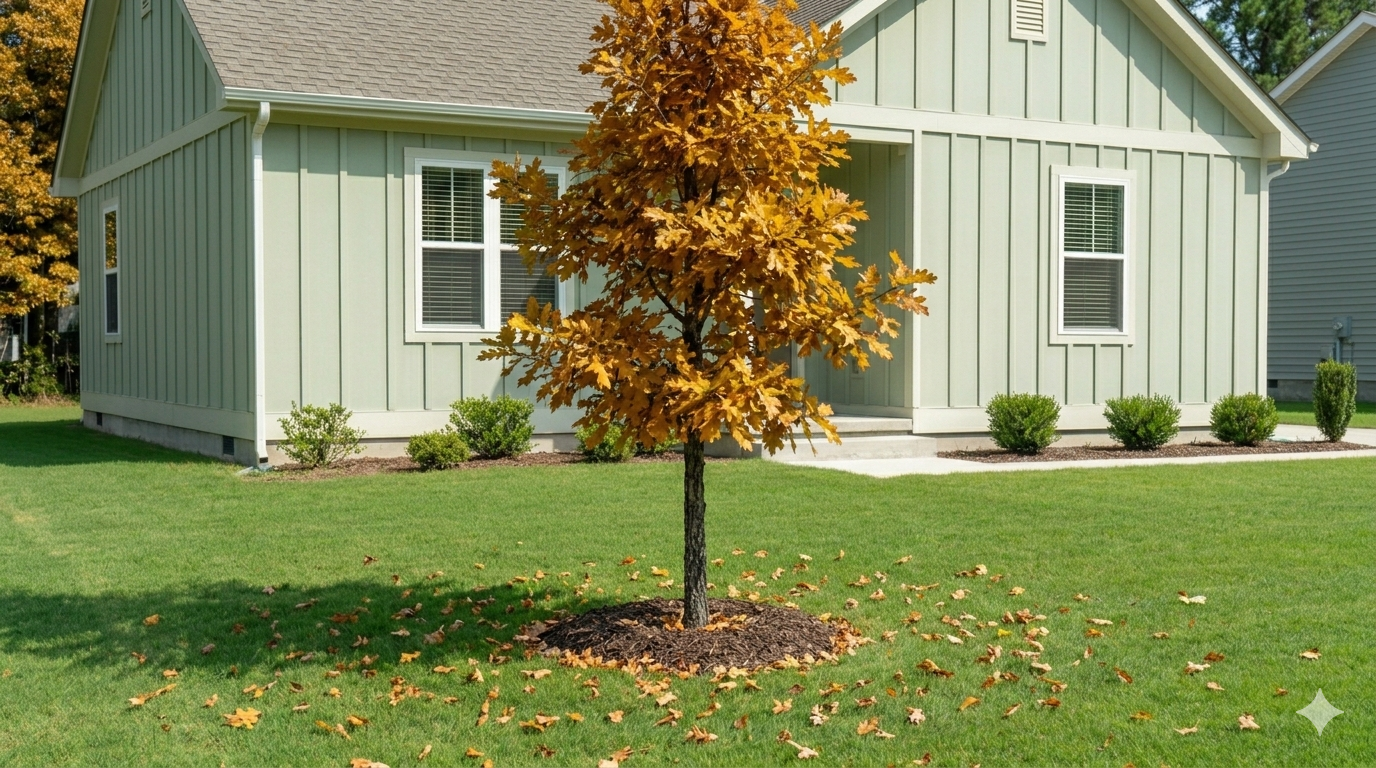
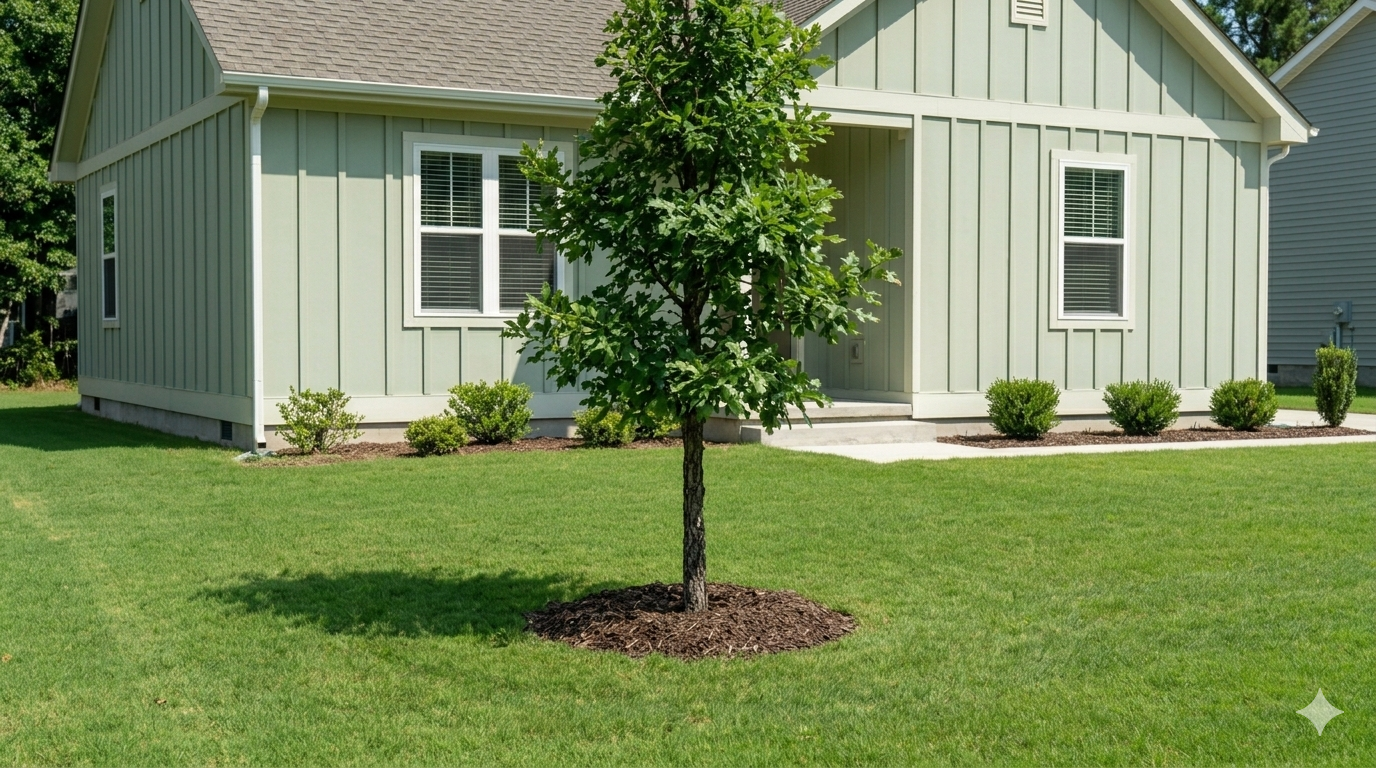
About this Tree
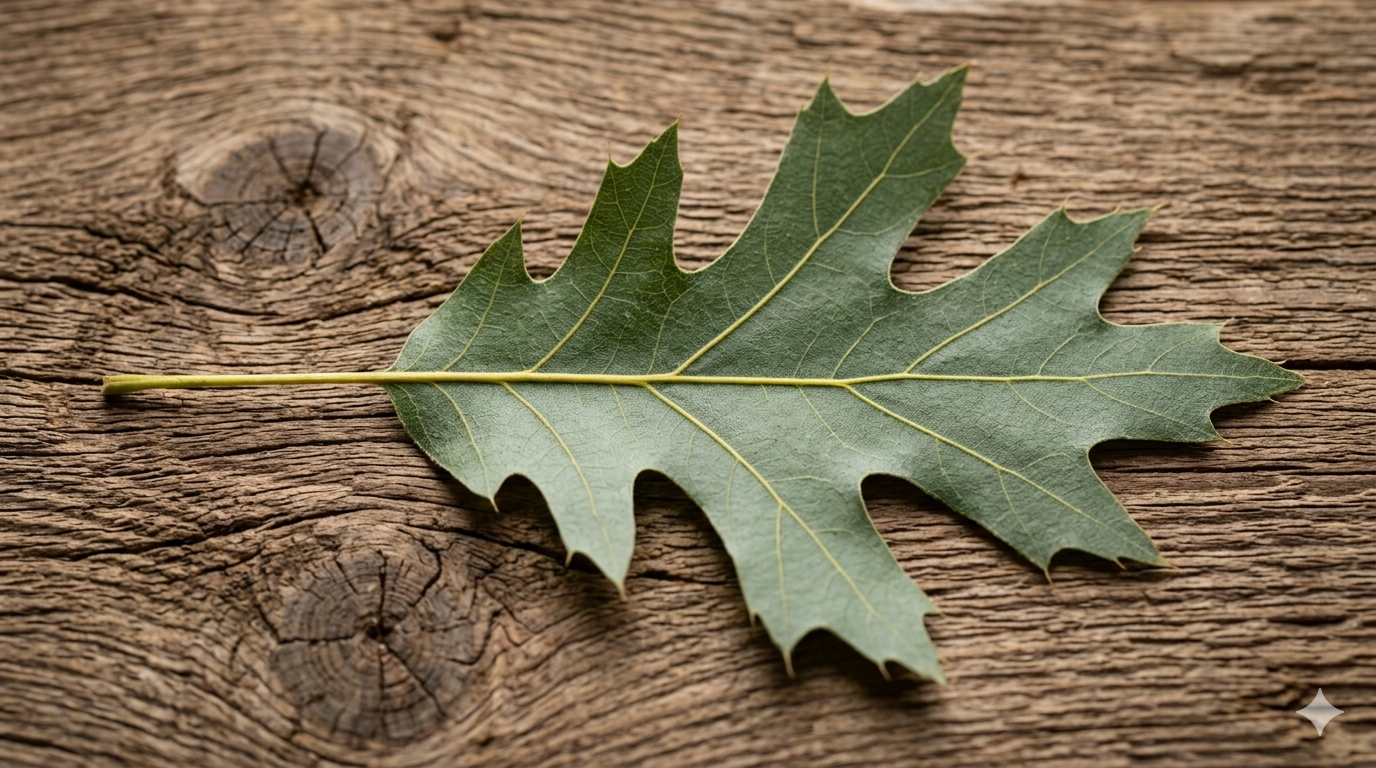
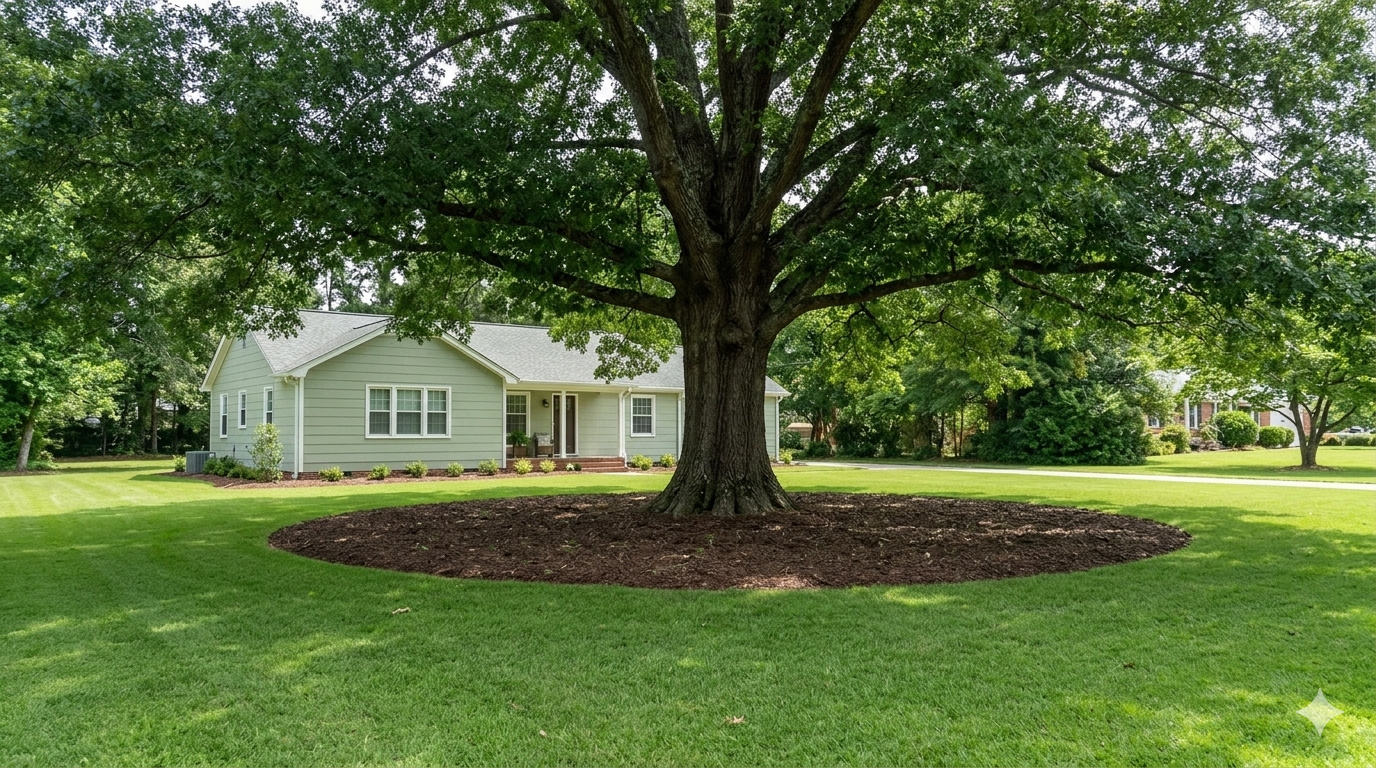
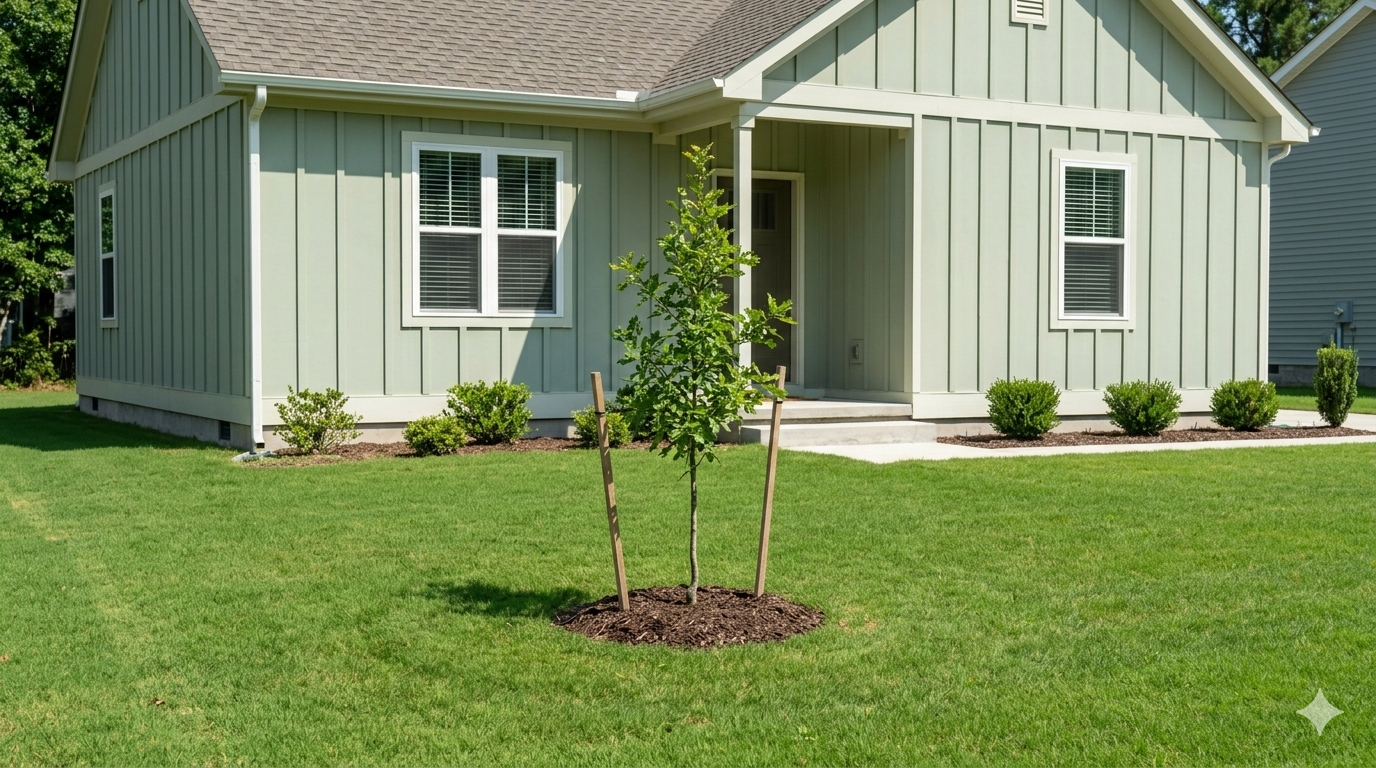
The Black Oak is a rugged, majestic giant that naturally thrives in the dry, rocky, or sandy soils where other shade trees might struggle. Historically, its inner bark was highly valued for containing a vibrant yellow pigment called quercitron, which was commercially exported to European textile mills until the mid-1800s. Today, it serves as a robust, long-lived provider of deep summer shade, gradually developing a deeply grooved, blocky black bark that adds immense texture and character to winter landscapes.
Planting specifications
Scientific name Quercus velutina
FamilyFagaceae
Mature height50 - 60 feet
Canopy spread50 - 60 feet
Native RangeEastern U.S., SE Canada
Sun exposureFull sun
AttractsWildlife (Acorns — Mammals, Birds), Insects (Larval Host)
Water needsDry to medium
USDA zones3a - 9b
Wildlife valueHigh
See a tree in your space
Available on supported mobile devices. Click . Model shown is representative and may differ from the selected species.
Common nameBlack Oak
Scientific name Quercus velutina
FamilyFagaceae
Mature height50 - 60 feet
Canopy spread50 - 60 feet
Sun exposureFull sun
Water needsDry to medium
USDA zones3a - 9b
Wildlife valueHigh
AttractsWildlife (Acorns — Mammals, Birds), Insects (Larval Host)
BloomYellowish-green
Bloom TimeApril–May
Carbon/Air QualityHigh
Flowers
AvailabilityLow
Hydroloby/StormwaterMedium
LeavesGood fall
MaintenaceLow
Native RangeEastern U.S., SE Canada
Native StatusNative
Ecological ValueHigh
Parking Lot TreeYes
Street TreeYes
Resilience/AdaptationMedium
Pollinator ValueLow
ToleratesBlack Walnut
Suggested use Street Tree Shade Tree
Columbia County AvailabilityGood
Augusta-Richmond AvailabilityLow