Tulip Poplar
Liriodendron tulipifera
NativeLow AvailabilityFull sunZones 4a - 9bLow Resilience/AdaptationMedium Water
Quick stats
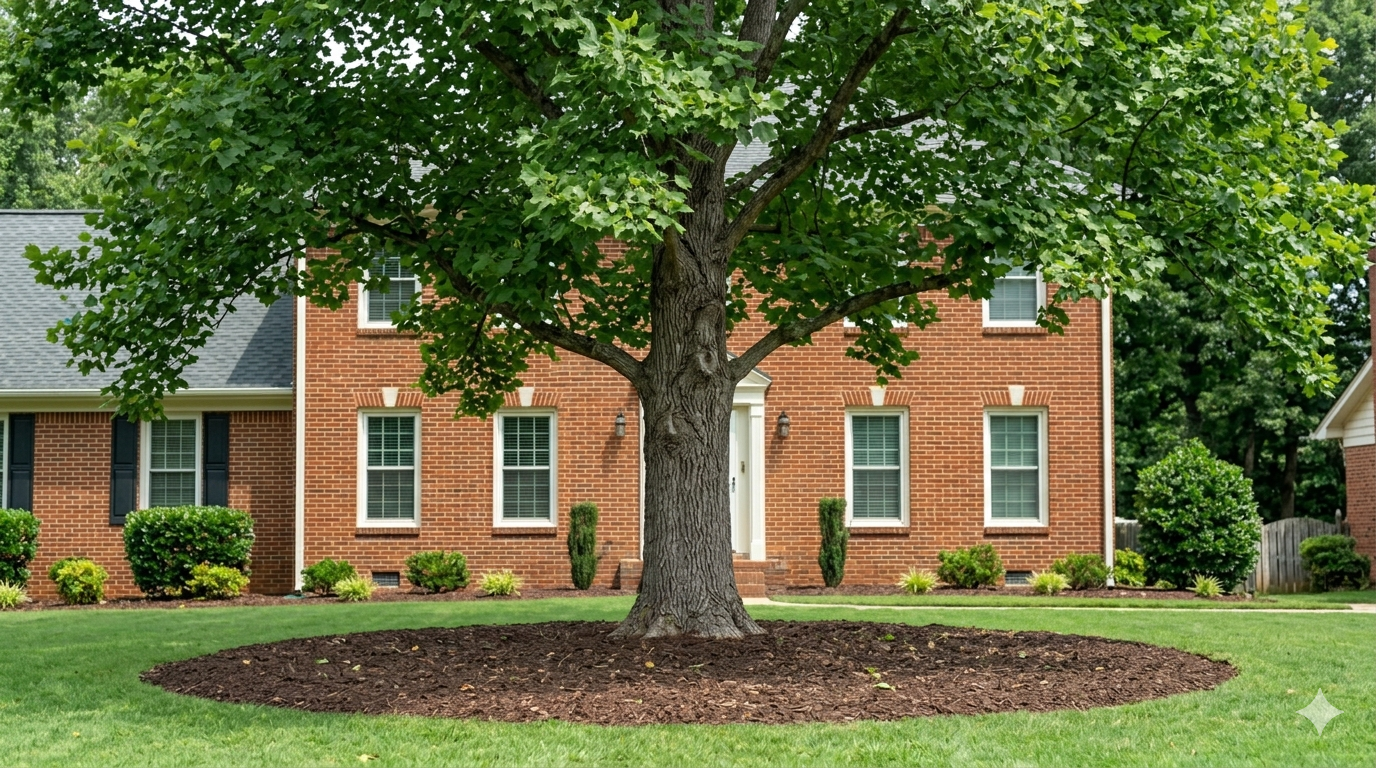
Mature height70 - 90 feet
Canopy spread30 - 50 feet
MaintenanceMedium
Bloom DescriptionYellow-green with orange band
Flowersshowy
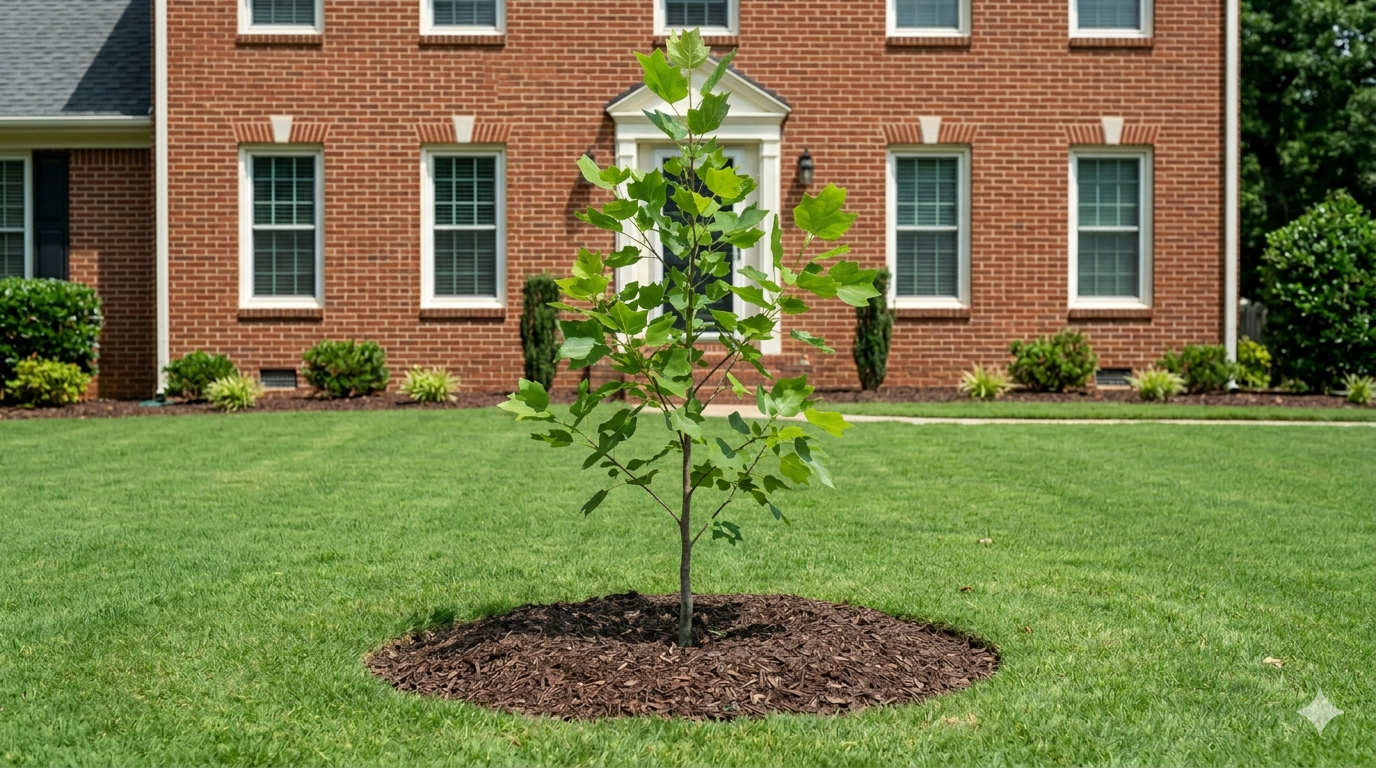
About this Tree
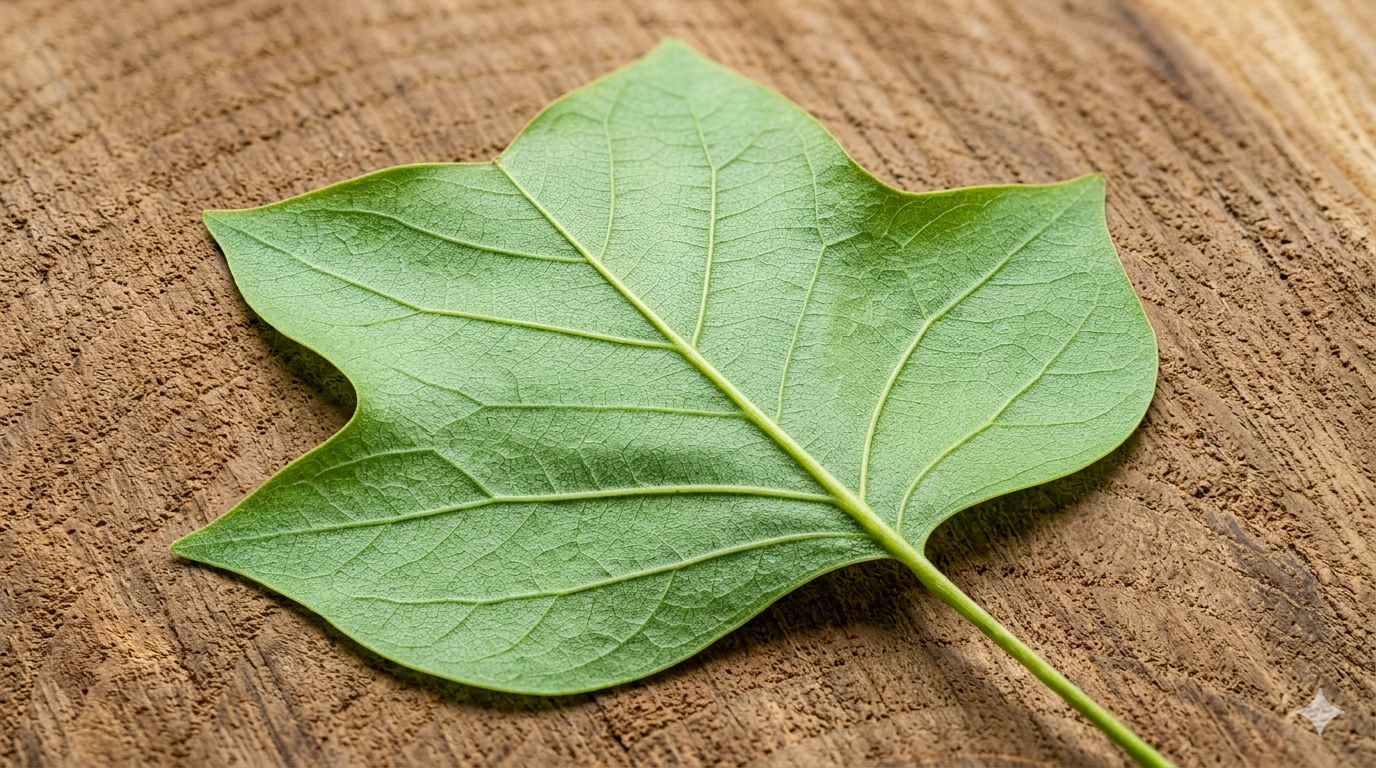
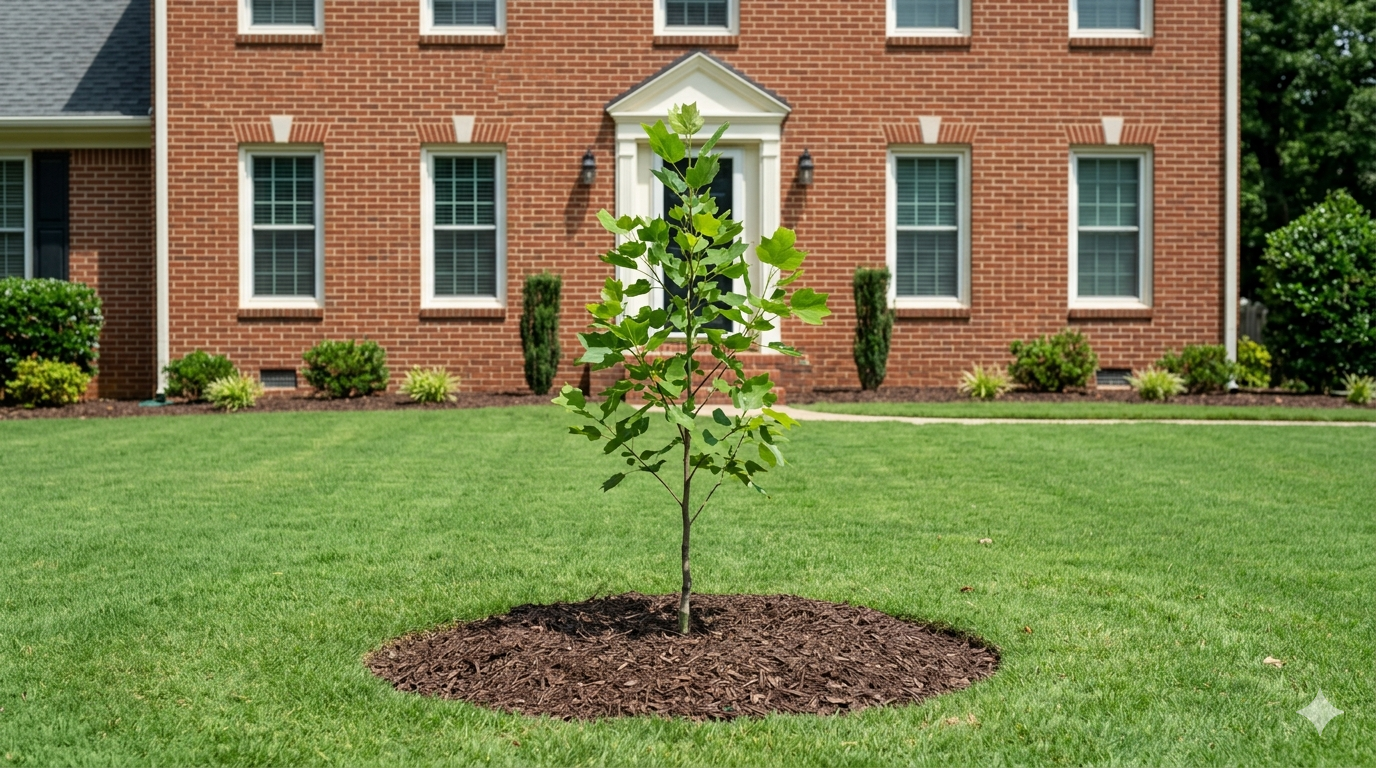
As the fastest-growing native hardwood in North America, the Tulip Tree is perfect for homeowners who want a grand shade tree without waiting decades for it to mature. It gets its name from its uniquely shaped leaves and the spectacular, chartreuse-and-orange tulip-like flowers that hide among the high spring canopy. Early pioneers like Daniel Boone relied heavily on its perfectly straight, massive trunks to hollow out lightweight, durable dugout canoes, and today it continues to provide unmatched vertical drama and golden-yellow fall color.
Planting specifications
Scientific name Liriodendron tulipifera
FamilyMagnoliaceae
Mature height70 - 90 feet
Canopy spread30 - 50 feet
Native RangeEastern North America
Sun exposureFull sun
AttractsBees, Songbirds (Seed), Bees/Pollinators (Major Nectar Source)
Water needsMedium
USDA zones4a - 9b
Wildlife valueMedium
See a tree in your space
Available on supported mobile devices. Click . Model shown is representative and may differ from the selected species.
Common nameTulip Poplar
Scientific name Liriodendron tulipifera
FamilyMagnoliaceae
Mature height70 - 90 feet
Canopy spread30 - 50 feet
Sun exposureFull sun
Water needsMedium
USDA zones4a - 9b
Wildlife valueMedium
AttractsBees, Songbirds (Seed), Bees/Pollinators (Major Nectar Source)
BloomYellow-green with orange band
Bloom TimeSpring
Carbon/Air QualityHigh
Flowersshowy
AvailabilityLow
Hydroloby/StormwaterMedium
LeavesDeciduous
MaintenaceMedium
Native RangeEastern North America
Native StatusNative
Ecological ValueMedium
Parking Lot TreeYes
Street TreeNo
Resilience/AdaptationLow
Pollinator ValueHigh
ToleratesClay Soil, Deer
Suggested useShade Tree
Columbia County AvailabilityPoor
Augusta-Richmond AvailabilityMedium