Eastern Red Cedar
Juniperus virginiana
NativeLow AvailabilityFull sunZones 2a - 9bHigh Resilience/AdaptationDry to medium Water
Quick stats
Mature height30 - 65 feet
Canopy spread8 - 25 feet
MaintenanceLow
Bloom DescriptionInconspicuous
Flowersnot showy
About this Tree
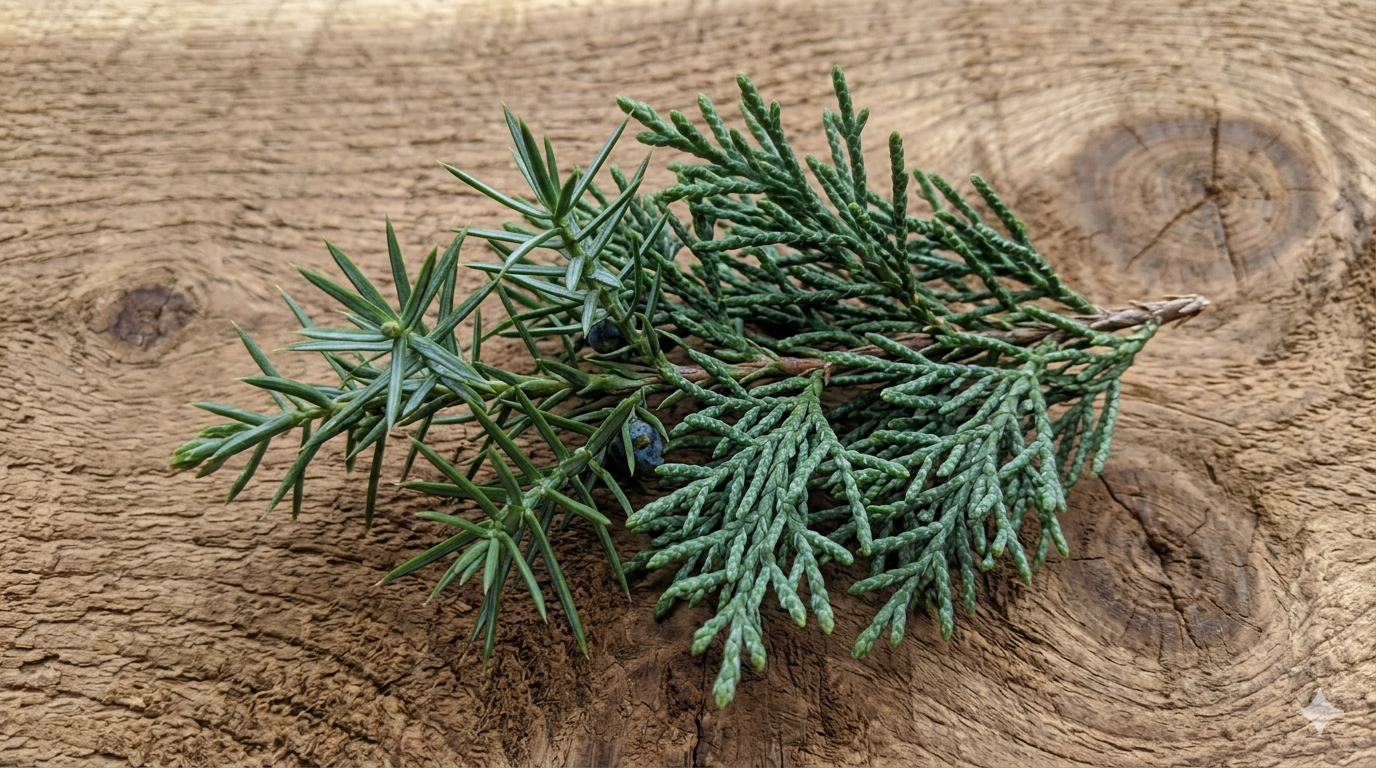
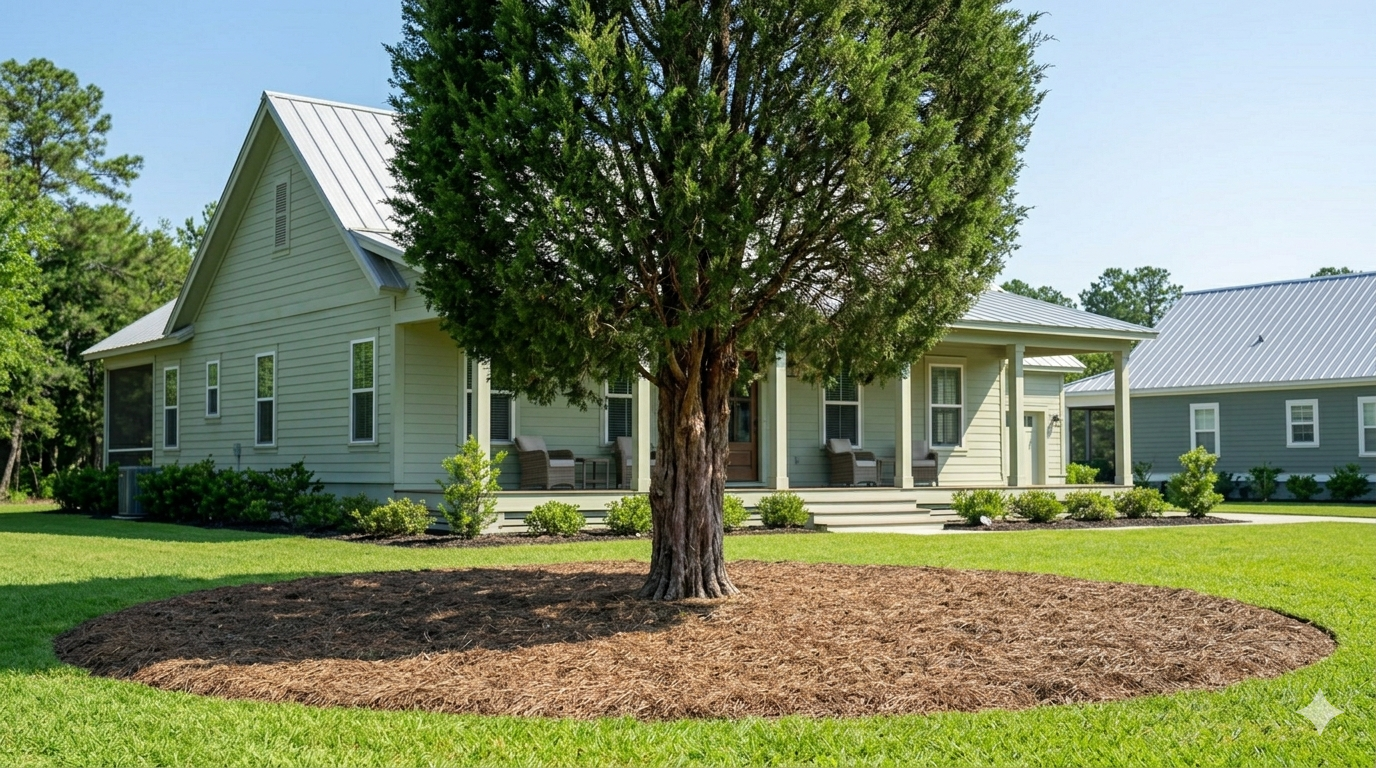
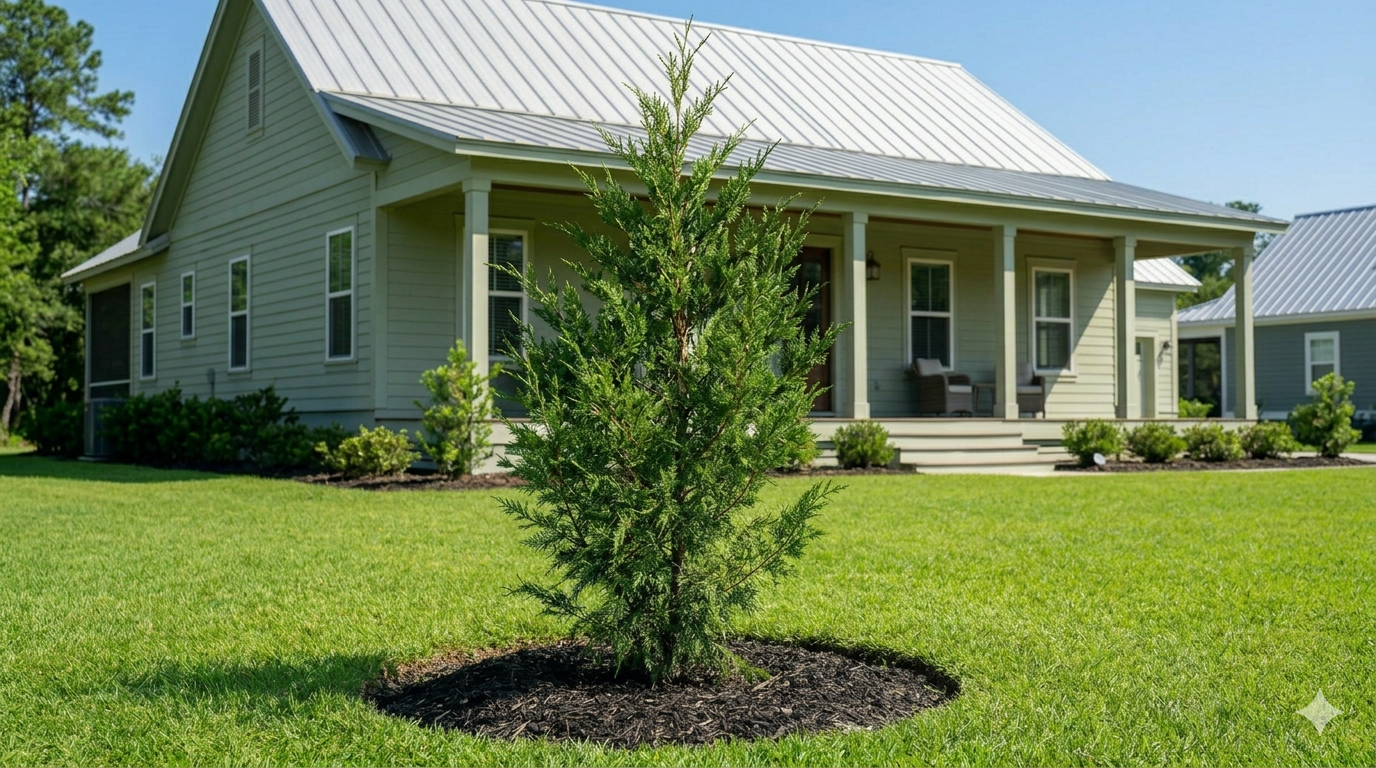
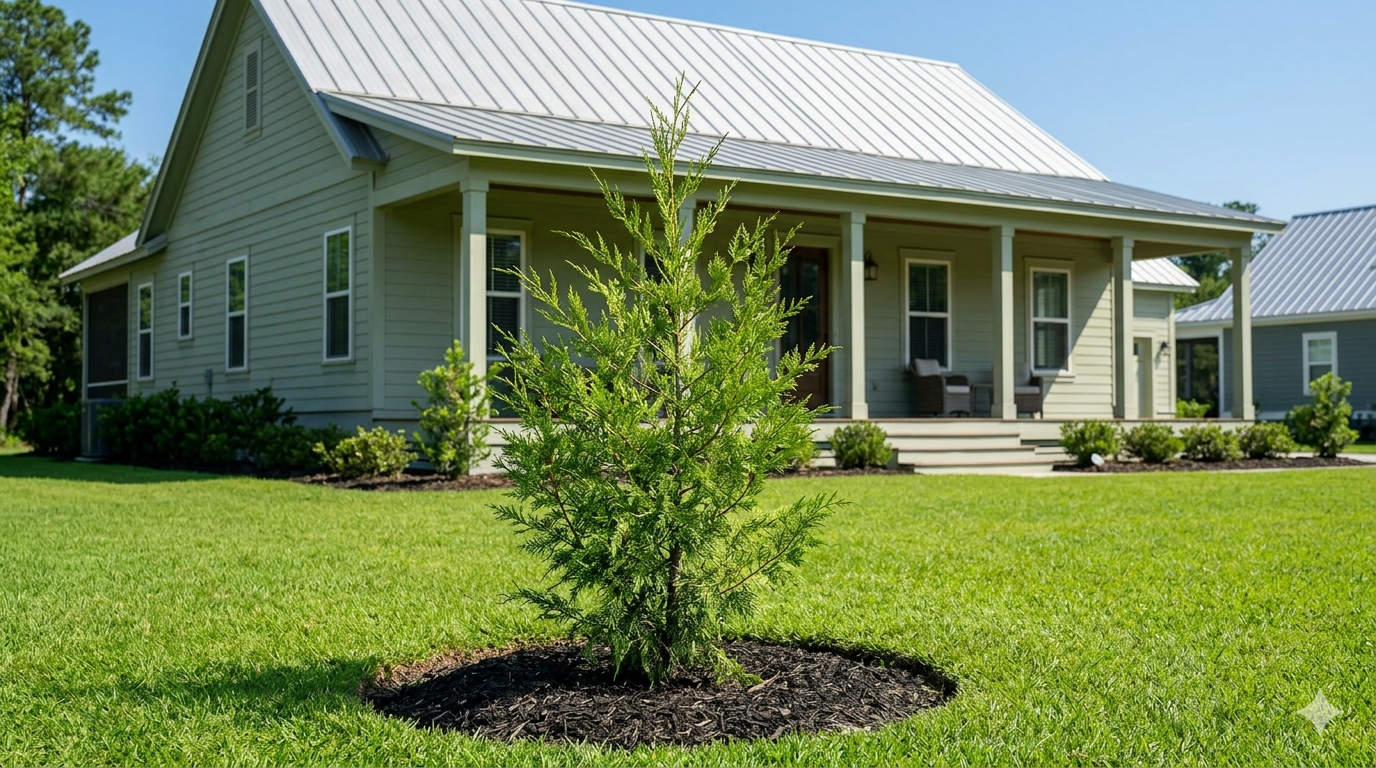
The Eastern Red Cedar is a rugged, scent-infused pioneer tree that brings dense year-round texture and a deep-rooted history to the home landscape. Celebrated for its aromatic, rot-resistant reddish wood, it became the signature material for classic moth-repelling cedar chests, closets, and the early American pencil industry. In fact, the city of Baton Rouge, Louisiana, owes its name ("red stick") to the vibrant, bark-stripped red cedar poles used by local Native Americans to mark tribal hunting boundaries. For the homeowner, this native evergreen is virtually bulletproof—thriving in harsh winds, road salt, and severe droughts where other trees falter, all while providing an impenetrable privacy screen and a winter buffet of powdery-blue, berry-like cones for local songbirds.
Planting specifications
Scientific name Juniperus virginiana
FamilyCupressaceae
Mature height30 - 65 feet
Canopy spread8 - 25 feet
Native RangeEastern North America
Sun exposureFull sun
AttractsBirds, Songbirds (Berry-Like Cones, Esp. Cedar Waxwings And Overwintering Birds), Wildlife (Dense Cover/Nesting)
Water needsDry to medium
USDA zones2a - 9b
Wildlife valueMedium
See a tree in your space
Available on supported mobile devices. Click . Model shown is representative and may differ from the selected species.
Common nameEastern Red Cedar
Scientific name Juniperus virginiana
FamilyCupressaceae
Mature height30 - 65 feet
Canopy spread8 - 25 feet
Sun exposureFull sun
Water needsDry to medium
USDA zones2a - 9b
Wildlife valueMedium
AttractsBirds, Songbirds (Berry-Like Cones, Esp. Cedar Waxwings And Overwintering Birds), Wildlife (Dense Cover/Nesting)
BloomInconspicuous
Bloom TimeSpring
Carbon/Air QualityMedium
Flowersnot showy
AvailabilityLow
Hydroloby/StormwaterLow
LeavesEvergreen
MaintenaceLow
Native RangeEastern North America
Native StatusNative
Ecological ValueMedium
Parking Lot TreeYes
Street TreeNo
Resilience/AdaptationHigh
Pollinator ValueMedium
ToleratesDrought, Dry Soil, Erosion
Suggested use Windbreak Screen
Columbia County AvailabilityGood
Augusta-Richmond AvailabilityMedium